


I’ve spent more than 20 years working in digital marketing, hotel distribution, and hospitality technology. I’ve worked with independent hotels, groups, developers, and operators across multiple markets, and for the last 8 years I’ve been running The Percentage Company here in Phuket.
One thing has become increasingly clear to me: there is a growing gap between hotels that are investing properly in digital foundations and those that are still looking for shortcuts.
That gap shows up very clearly in profitability, acquisition cost, and long-term resilience. This article isn’t written to criticise hotel owners or GMs. As a former hotelier, I know very well that most hotels are under intense pressure and operating in extremely competitive markets. But this is written to try to challenge some common assumptions, and to explain why a short-term mindset around digital is becoming one of the biggest risks in hospitality.
The Desire for Quick Wins, and why It’s Understandable
Many hotels come to us asking for things like:
- “Can we just run a few ads?”
- “Can we try SEO for a month?”
- “We don’t want to change the website yet.”
This isn’t because hotel owners don’t understand marketing. It’s because digital feels abstract compared to physical investments. You can walk into a renovated room. You can see a new lobby. You can touch new furniture.
Digital, by contrast, is invisible when it’s done well, and painfully obvious when it isn’t. So the instinct is often to test cheaply, keep commitment low, and hope for fast results. The problem is that in my experience running dozens of hotel projects, digital marketing does not reward hesitation.
Digital Is Not a Tactic, It’s a System
One of the most common mistakes we see is treating digital as a collection of tactics rather than a connected ecosystem. Ads, SEO, social media, websites, booking engines, CRM, pricing logic, these things don’t work independently. They either reinforce each other or cancel each other out.
Running ads without a strong website is like pouring water into a leaking bucket. Doing SEO without content and structure is like building on sand. Posting on social media without a clear value proposition is noise, not strategy. This is why isolated efforts so often “don’t work”, not because the channel is wrong, but because the system is incomplete.
The Real Metric Hotels Should Care About: Cost of Acquisition
Most discussions around digital focus on traffic, clicks, impressions, or followers. In my opinion, those are secondary or tertiary.
The metric that actually matters is cost of acquisition. Every hotel pays to acquire guests. The difference is how much control you have over that cost.
- OTA bookings come with permanently rising commissions
- Offline agents reduce margin and pricing power
- Short-term ad campaigns spike cost without building equity
Direct bookings, when supported properly, do something very different, they reduce acquisition cost over time. Not overnight. Not in one campaign. But structurally. This is where long-term ROI actually comes from.
Why Cheap Digital Solutions Are So Appealing, but SO Dangerous
Markets like Phuket are full of low-cost digital offerings:
- Very cheap websites
- Template-based designs
- “SEO packages” sold by the month
- Social media posting sold as marketing
The appeal is obvious. They feel low-risk and high reward. But there’s an uncomfortable truth here, most of these solutions are not designed to perform, only to exist.
A website that looks fine but doesn’t convert is not an asset. SEO without strategy is not investment. Social media without ownership of data is not leverage. These approaches rarely fail dramatically. They fail quietly, by keeping hotels dependent on OTAs and agents while giving the illusion that “digital is being done.”
After almost 25 years of building websites and running digital marketing campaigns for businesses across the world, I would say, it’s simply not that easy!
Why Hotels Invest Easily in Physical Assets, but Hesitate on Digital Ones
It’s completely normal for hotel owners to be more comfortable investing in tangible assets. Hospitality has always been a physical business. But the reality today is that digital assets now play a direct role in revenue, margin, and valuation.
Digital assets include:
- Your website and booking journey
- Your guest data and CRM
- Your search visibility and authority
- Your automation and internal systems
These assets compound. A strong website gets better with data. SEO builds authority year after year. Guest databases become more valuable with every stay. Compare that to OTAs, where every booking resets to zero the moment the guest checks out.
Social Media Is Important, But It’s Not the Foundation
Social media absolutely has a role to play in hospitality. It supports brand awareness, storytelling, and engagement. But hotels need to be clear-eyed that social media is not some sort of panacea (look at your data) and you don’t even own your social media audience.
A barrage of social media ‘brand managers’ and influencers will have you believe that all you need to do is run a few campaigns on social platforms and will be transported to the sunlit uplands, but sorry to say, once again, it’s not that easy.
Algorithms change. Reach drops. Ad costs rise. Your website, booking engine, and CRM are the only platforms you truly control. The most effective strategies use social media to support owned channels, not replace them.
Direct Bookings Are Not About Ego, They’re About Margin
In competitive destinations, hotels often feel trapped:
- Prices are similar
- Guests compare endlessly
- OTAs dominate visibility
In this environment, chasing volume through high-cost channels slowly erodes profitability. Direct bookings are not about being anti-OTA. They are about balance and control. Even small improvements in direct share can materially impact net revenue, cash flow, and negotiating power. But direct bookings don’t happen by accident, they require:
- Clear differentiation
- Strong UX and conversion design
- Trust signals and credibility
- Long-term visibility in search
This is work. Real work that professional digital marketeers should be doing.
The Next Shift: AI, Search, and Visibility
Search behaviour is changing faster than most hotels realise. AI-driven recommendations, conversational search, and summarised results are already reducing the number of options guests see. Hotels with weak digital foundations, thin content, poor structure, low authority, will simply not appear in these decision paths.
Those with strong digital signals will. This isn’t speculation. It’s already happening. Preparing for this shift doesn’t mean chasing trends. It means building robust, credible digital platforms that machines and humans both trust.
And just in case you didn’t know, the answers that LLM’s and answer engines like ChatGPT, Gemini, Claude, Grok and others produce, comes directly from content available online. Is your website optimised to allow these AI tools access to the right information to answer your potential guests questions?
Why Doing It Properly Is Hard, and Why It Pays Off
Proper digitisation requires:
- A longer-term view
- Budget allocation beyond a single campaign
- Alignment between owners and management
- Willingness to improve systems, not just channels
It is easier to stay reactive. It is easier to blame OTAs. It is easier to keep “testing” forever. But hotels that commit to doing digital properly gain something critical: strategic flexibility.
They are less exposed to rising commissions. They control more of their demand. They adapt faster to market changes. And over time, they become structurally more profitable.
Why We’re Selective About Who We Work With
At The Percentage Company, we’re not interested in selling tactics in isolation. Our focus is on building systems that make financial sense over years, not days and weeks.
That means we’re extremely selective about who we work with. Not because hotels aren’t good enough, but because sustainable results require alignment, patience, partnership and commitment.
When owners and GMs start thinking in terms of acquisition cost, digital assets, and long-term ROI, digital marketing stops feeling expensive and starts making sense.
Final Thought
Digitisation is no longer optional, and it’s no longer a side project. Hotels that continue to underinvest in their digital foundations won’t suddenly “catch up later” without paying a much higher price.
Those that invest steadily and intelligently put themselves in a position of strength, regardless of market cycles, platforms, or technology shifts. There are no shortcuts. But there is a clear, proven path. And the hotels that take it early benefit the most.
At The Percentage Company, our approach sits at the intersection of:
- Hotel operations
- Distribution and revenue strategy
- Digital marketing
- Booking technology and data
That’s why we’re selective. Not every hotel is ready to take a longer-term view, and that’s okay. But for those that are, the results are measurable, sustainable, and commercially meaningful. If you’re a hotel owner or GM who:
- Is tired of rising OTA commissions
- Wants clearer visibility on ROI and acquisition cost
- Understands that digital is an asset, not an expense
- Is prepared to invest properly in systems, not gimmicks
Then we should talk. No pressure. No sales pitch. Just a straightforward conversation about whether your hotel is structurally set up to win over the next five to ten years, and if not, what that would realistically take.
Because doing digital properly isn’t easy. But done right, it changes everything.
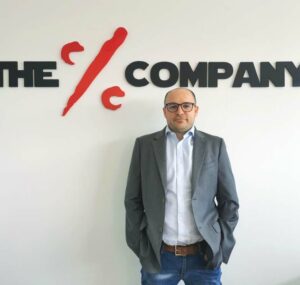
Written By: Edward Kennedy
Co-Founder & Director at The Percentage Company. I started working on websites in 1997 and have been a full-time techie since 2001. I’m committed to leveraging the latest technologies and digital marketing techniques to drive efficiency & improve online sales for our hotel clients. I have a 20+ year track record of success in growing independent hospitality & real estate brands.